What size watch should a man wear?
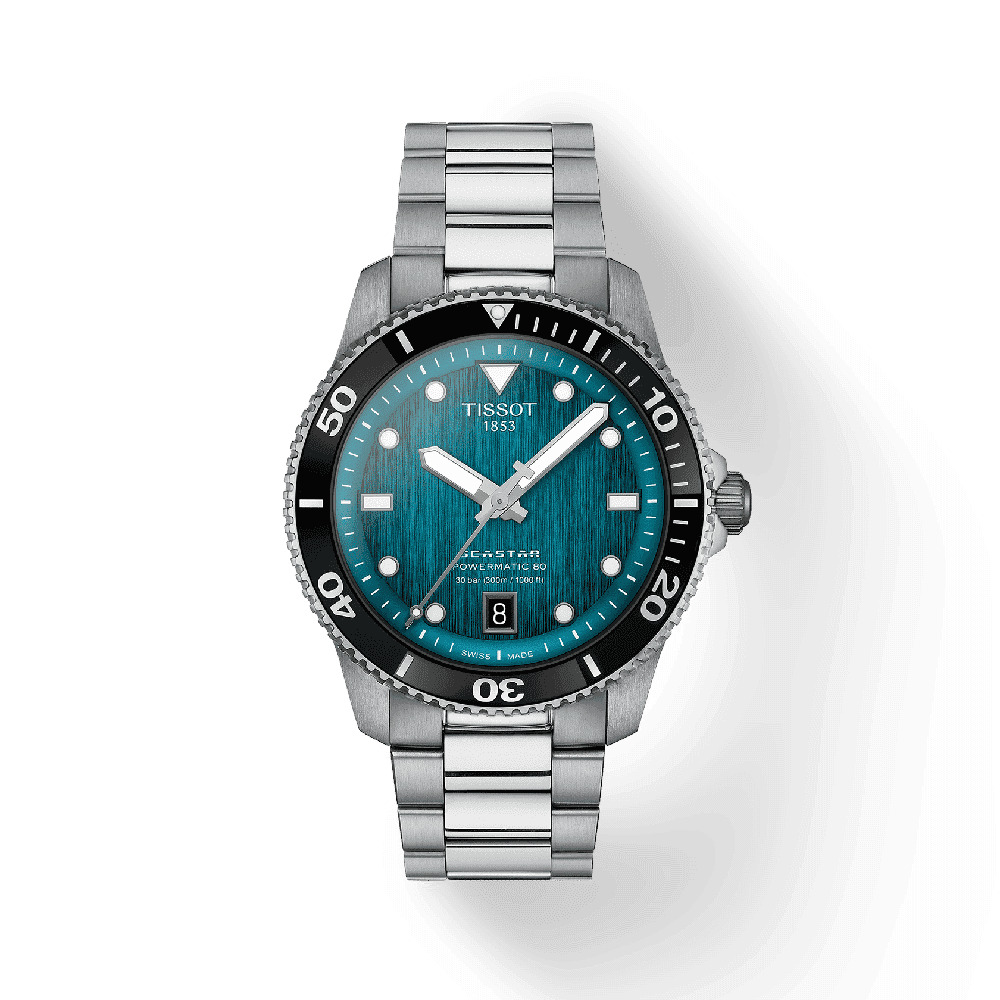
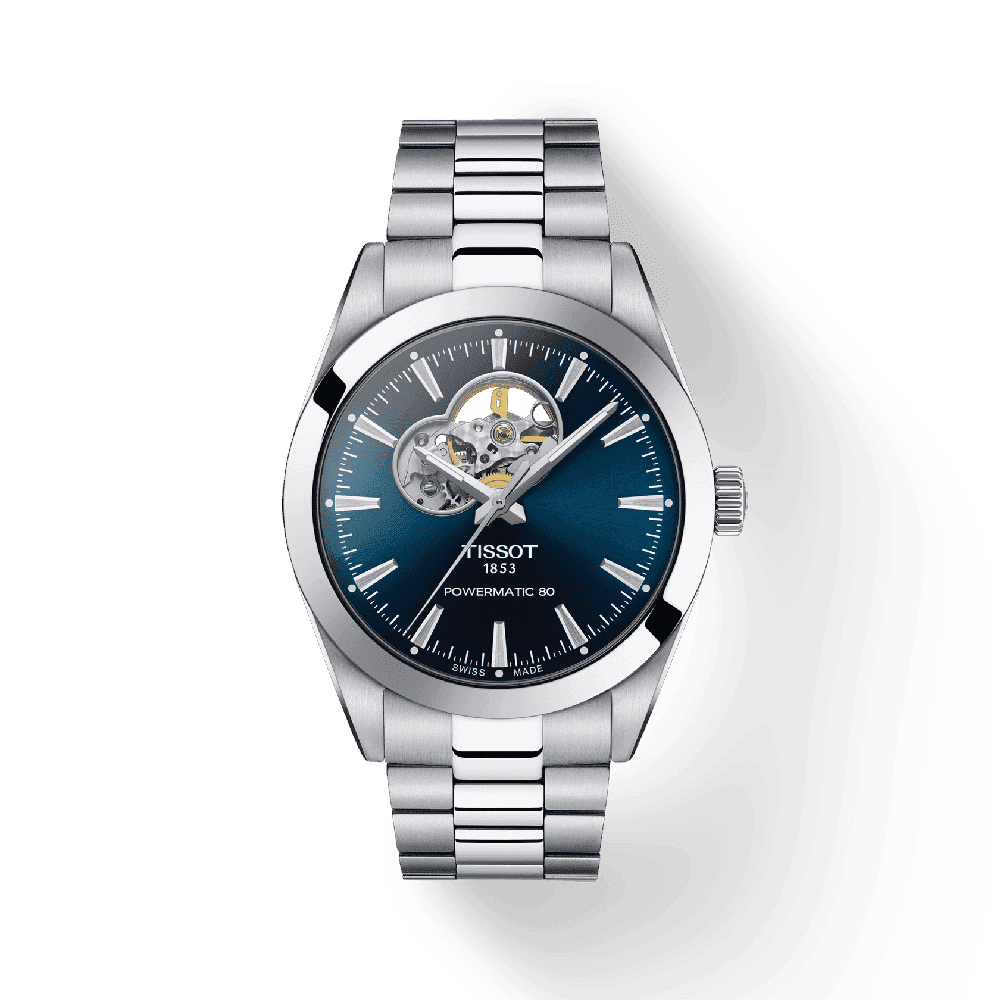
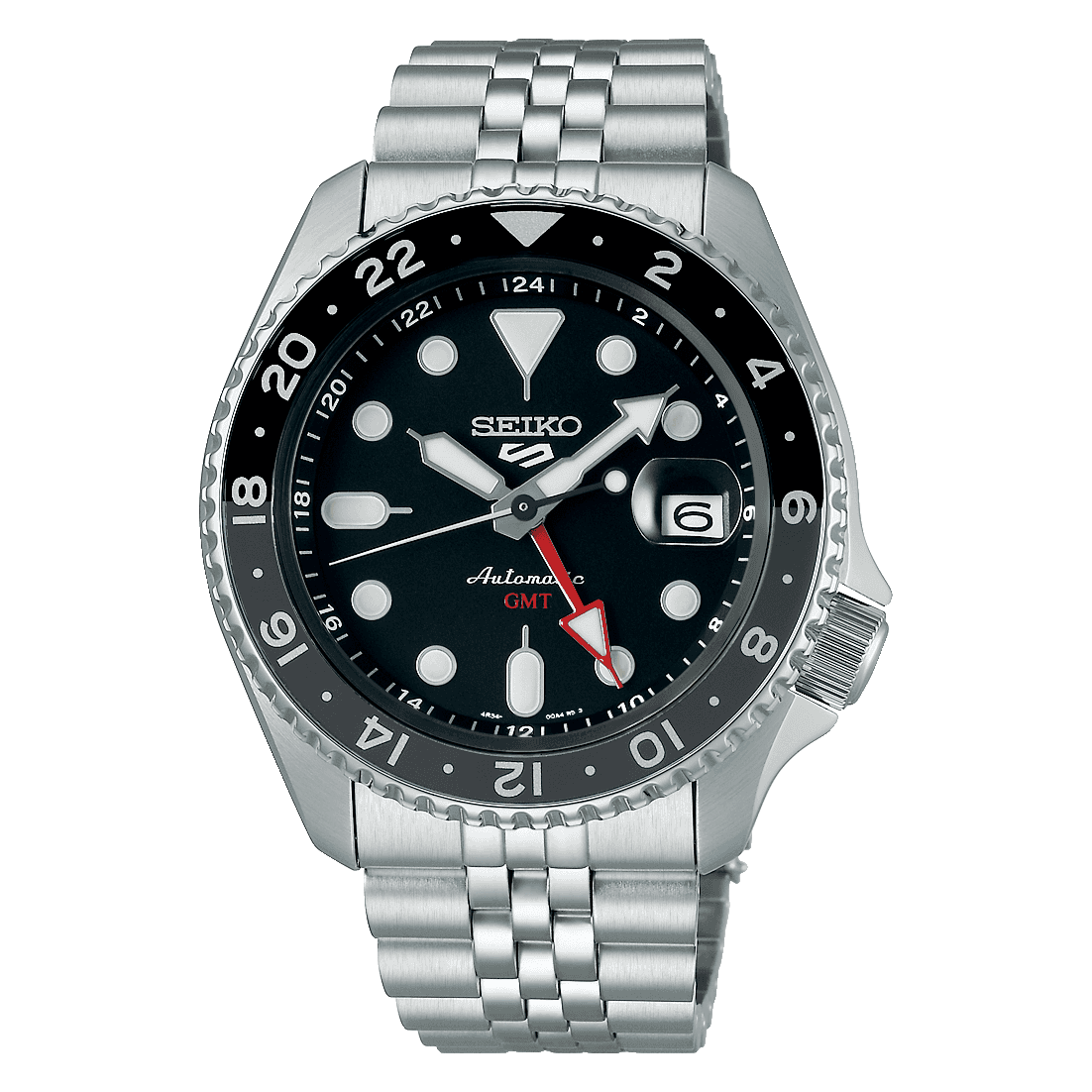
Most of our men's watches are 38 to 43 mm. As a rule, 38 to 40 mm suits a smaller or average wrist and most dress watches, 40 to 42 mm is the everyday middle, and 42 mm and up suits a larger wrist or a diver or chronograph meant to be seen. Lug-to-lug length matters as much as diameter: a 42 mm watch with short lugs can sit smaller than a 40 mm watch with long ones. Use the case size filter, and try two sizes in a boutique if you hesitate.
Which brand fits which budget?
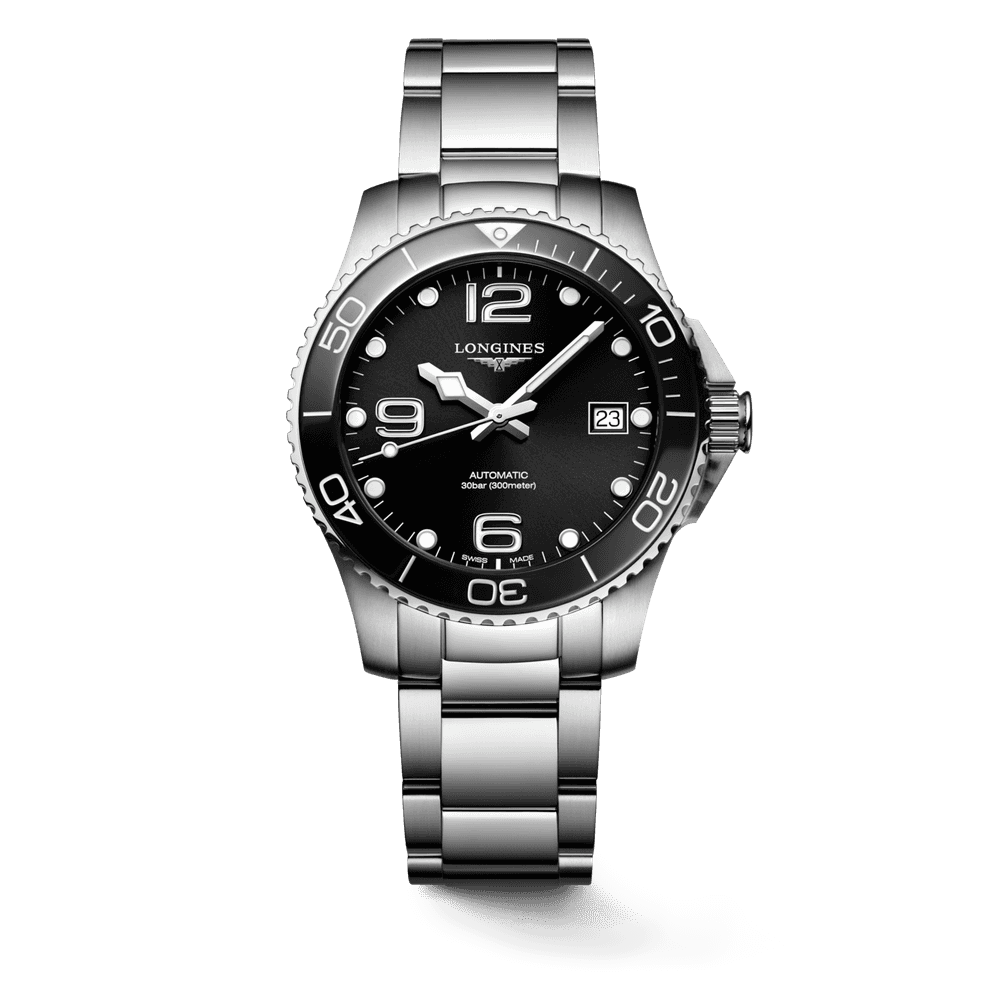
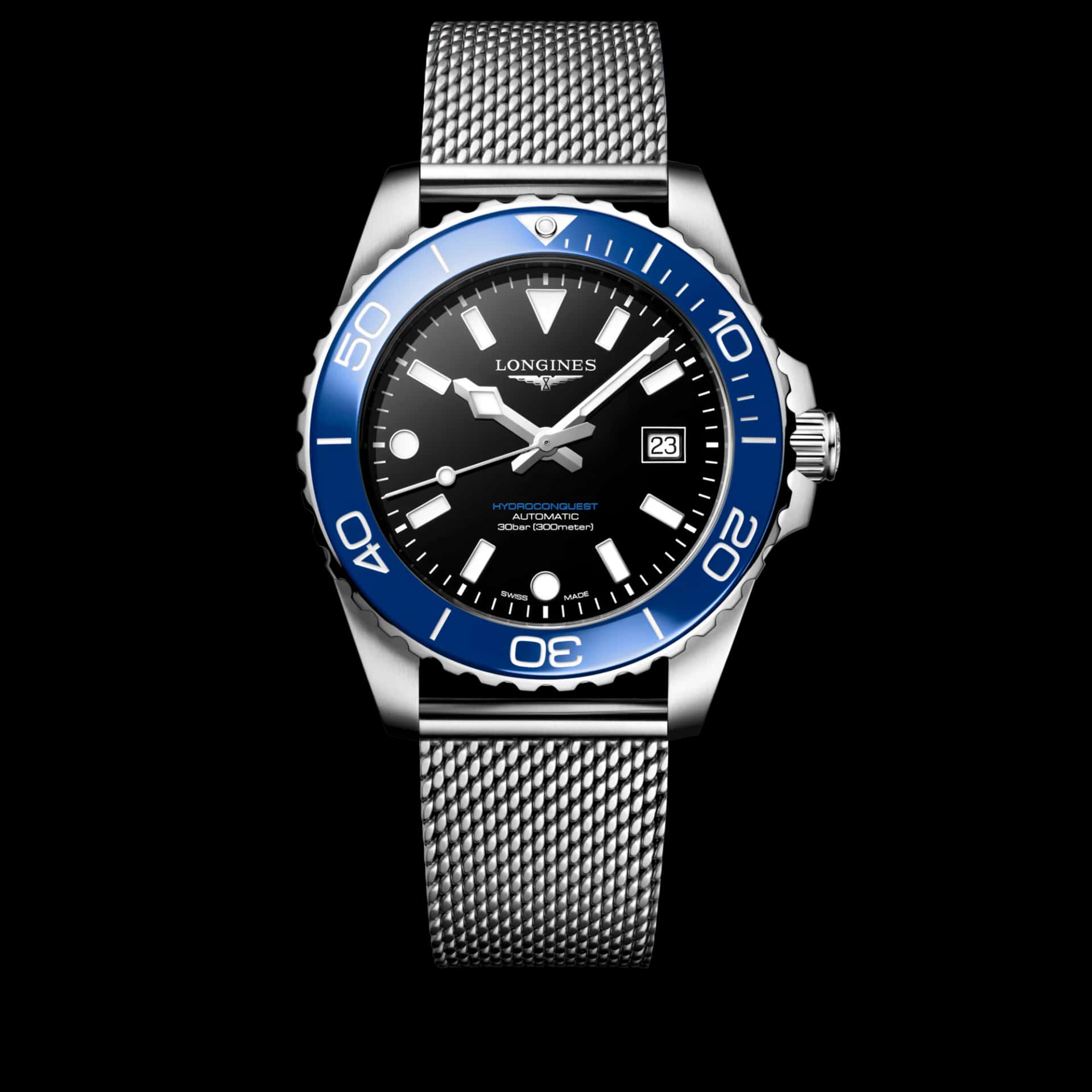
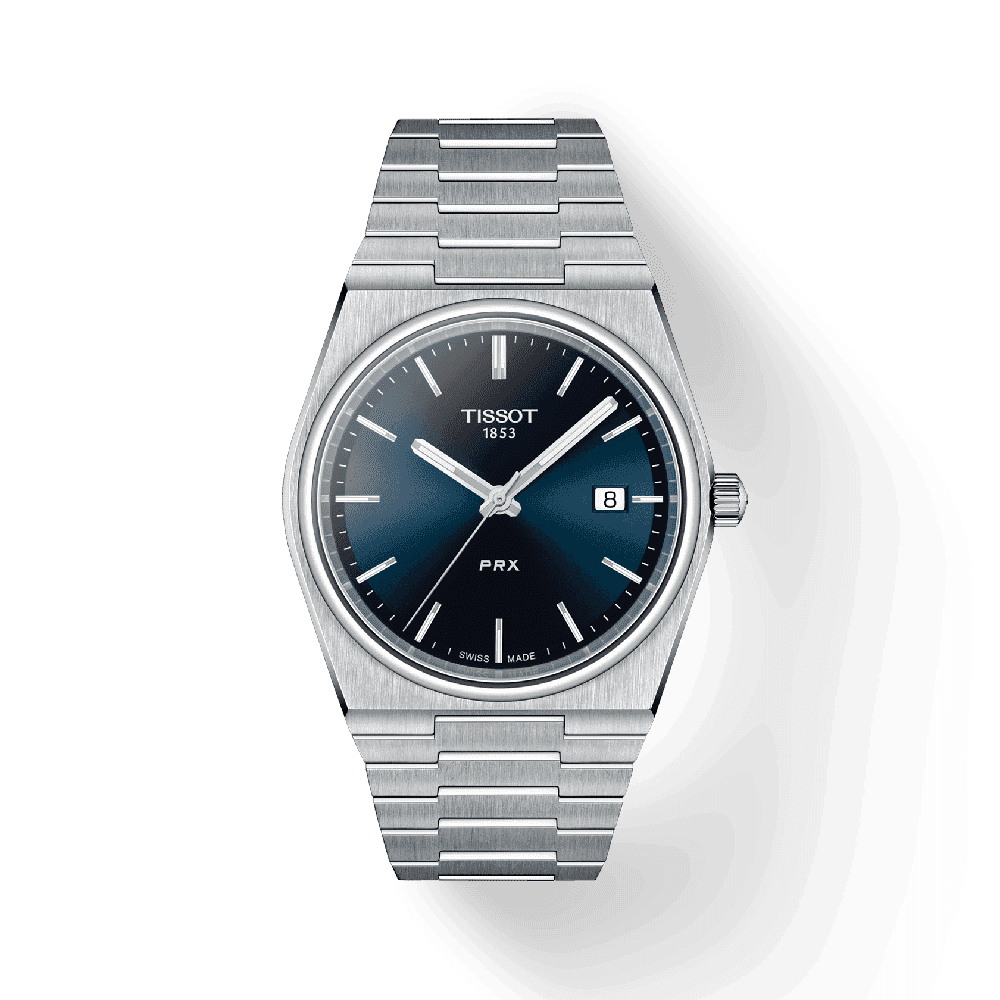
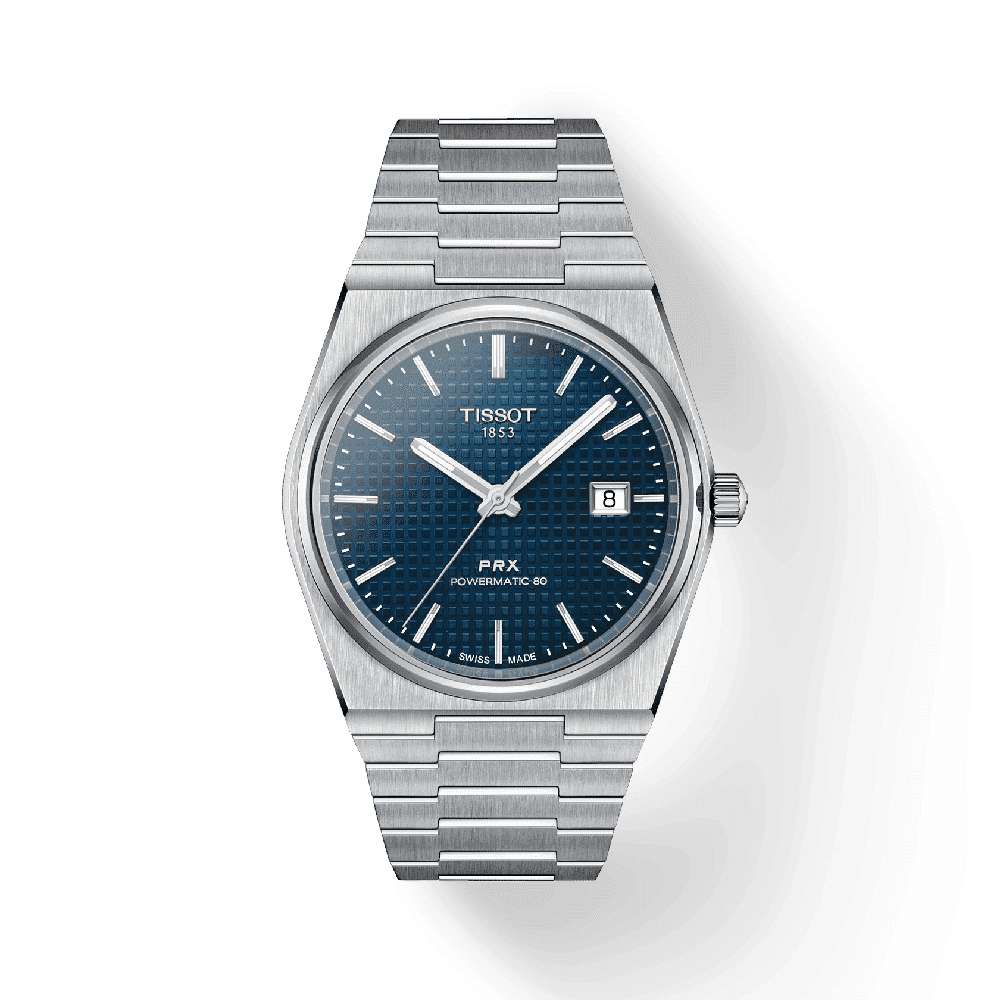
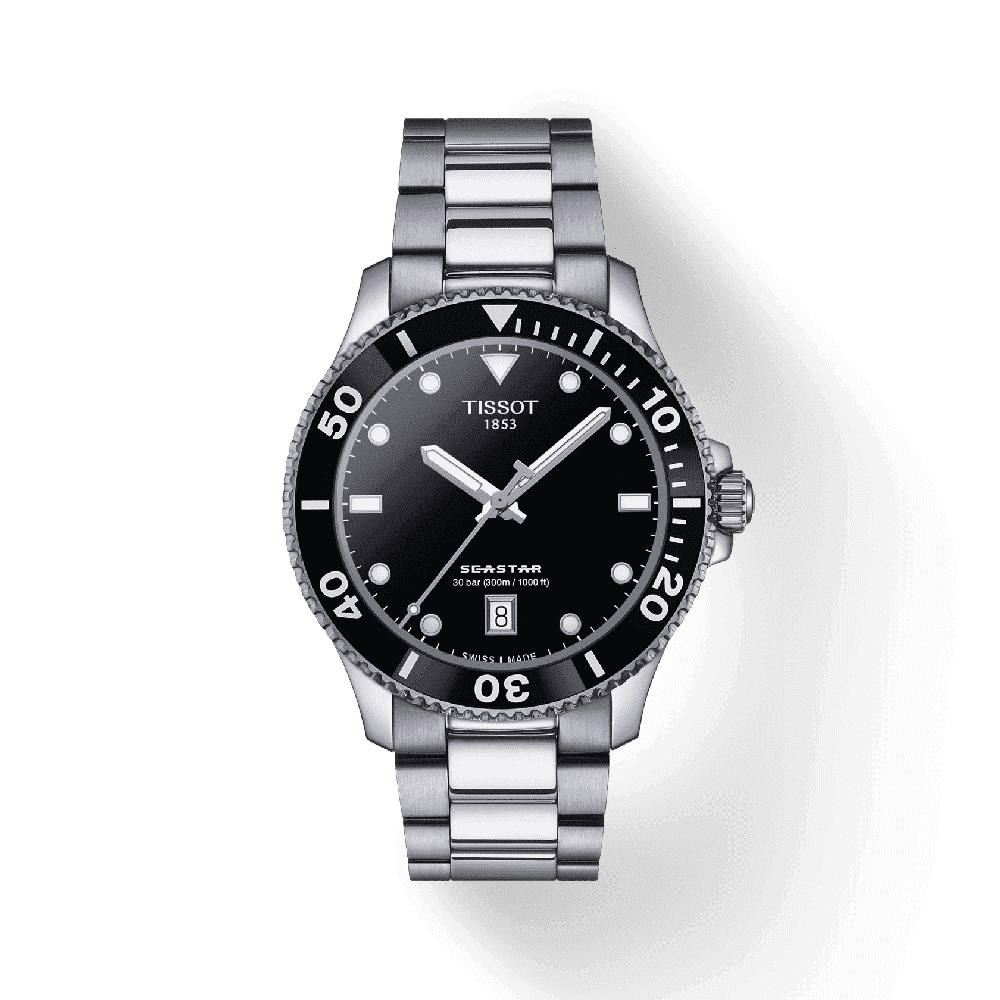
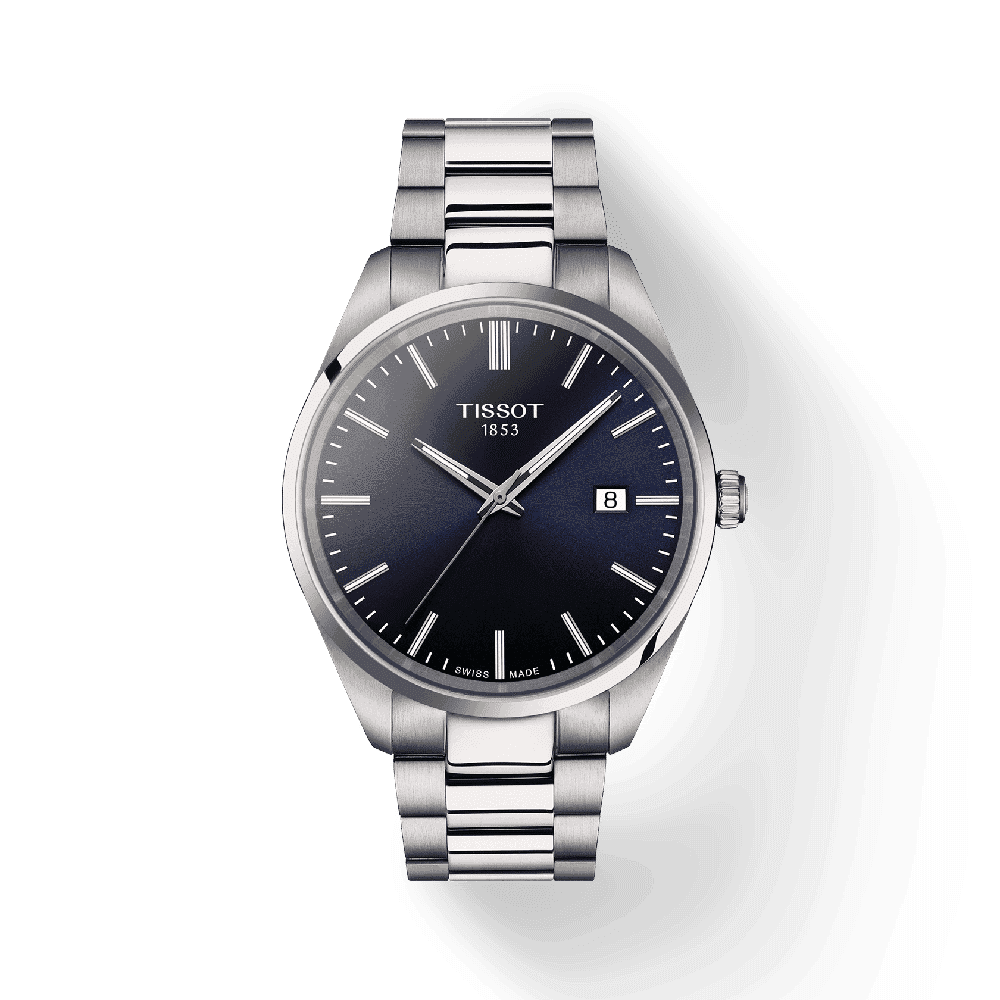
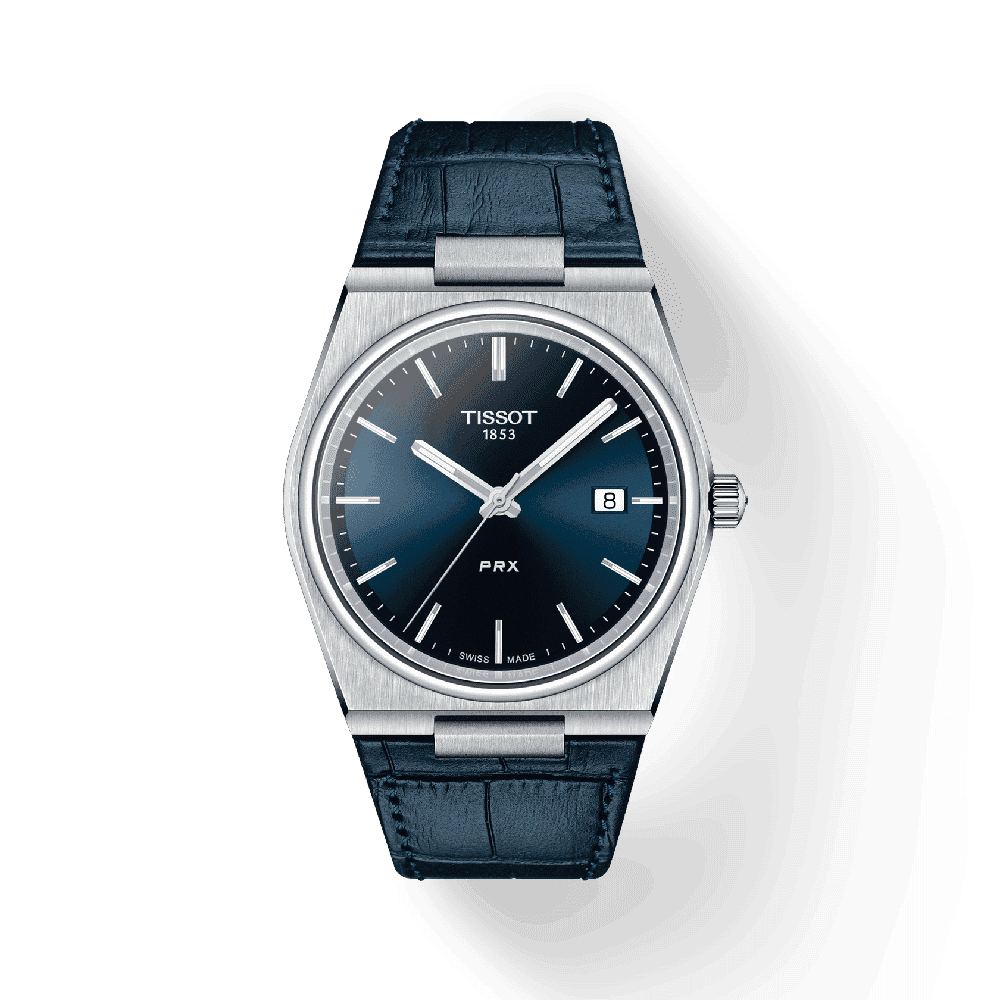
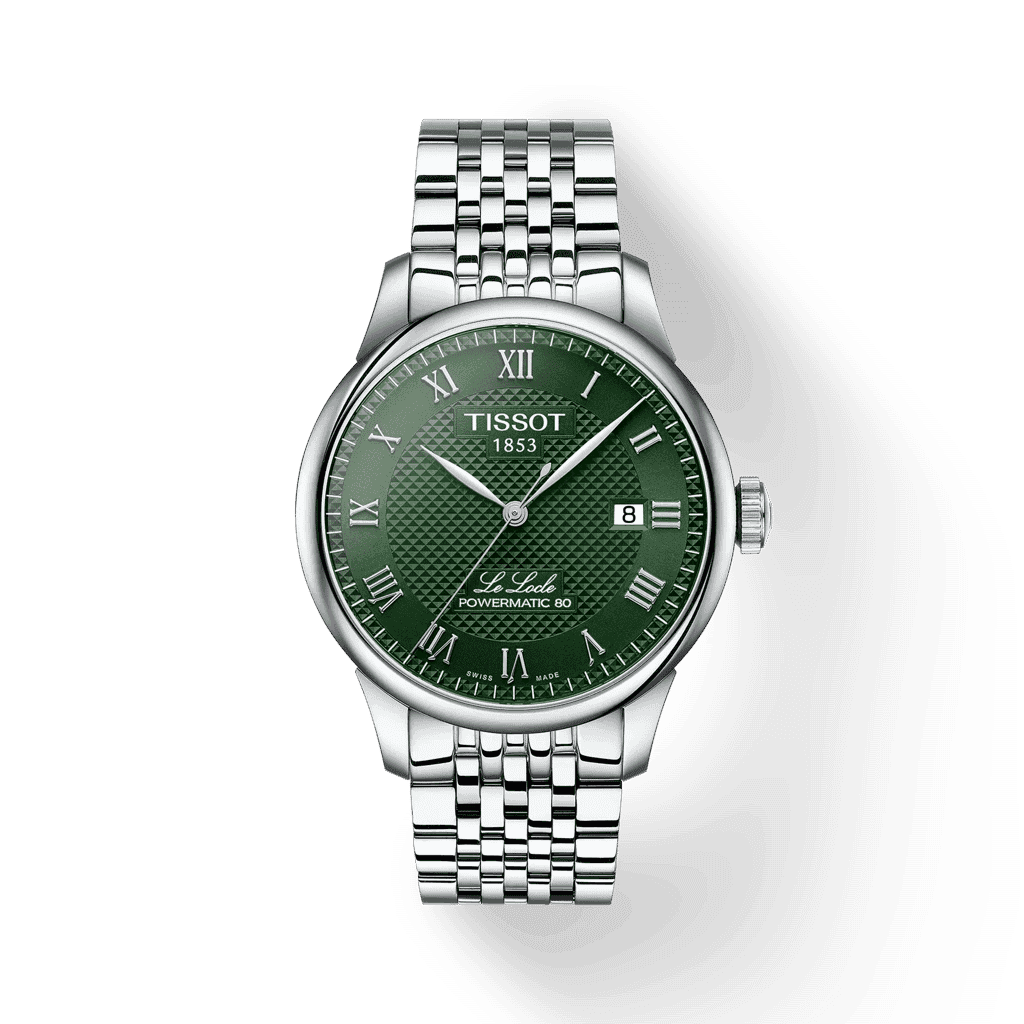
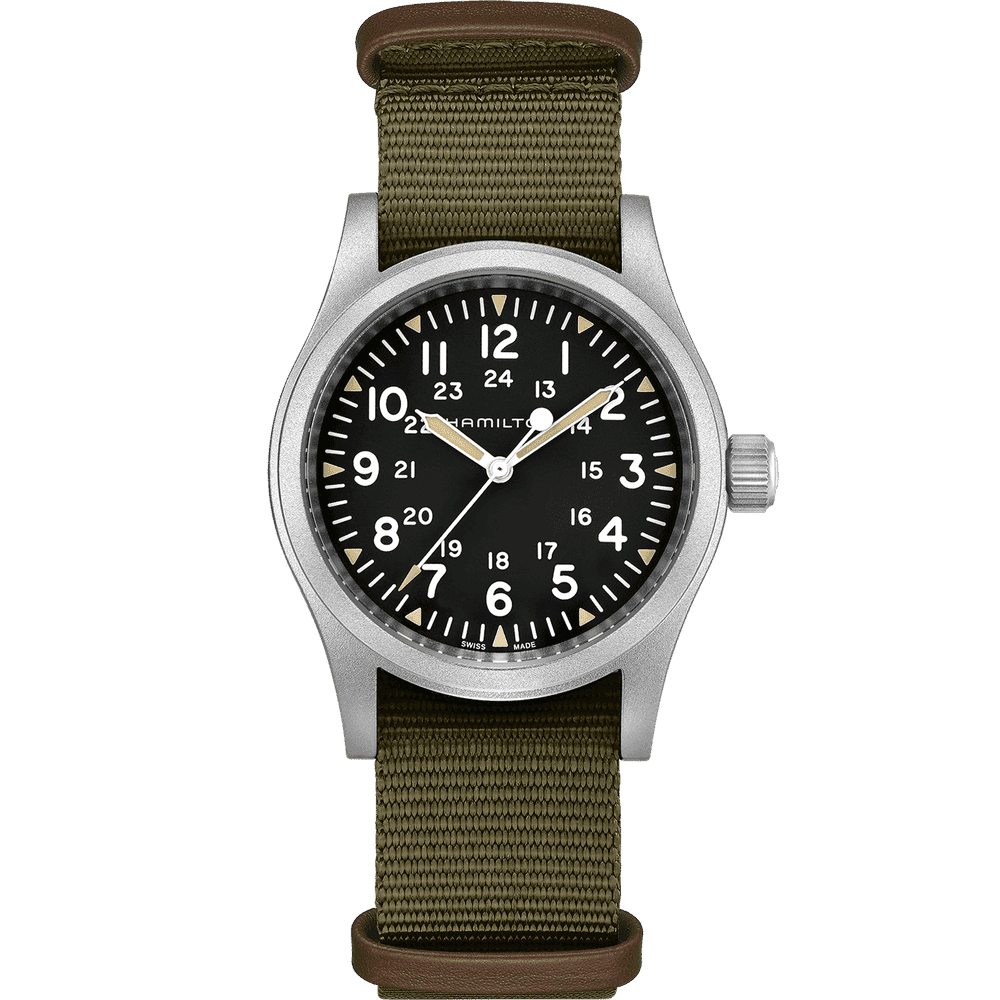
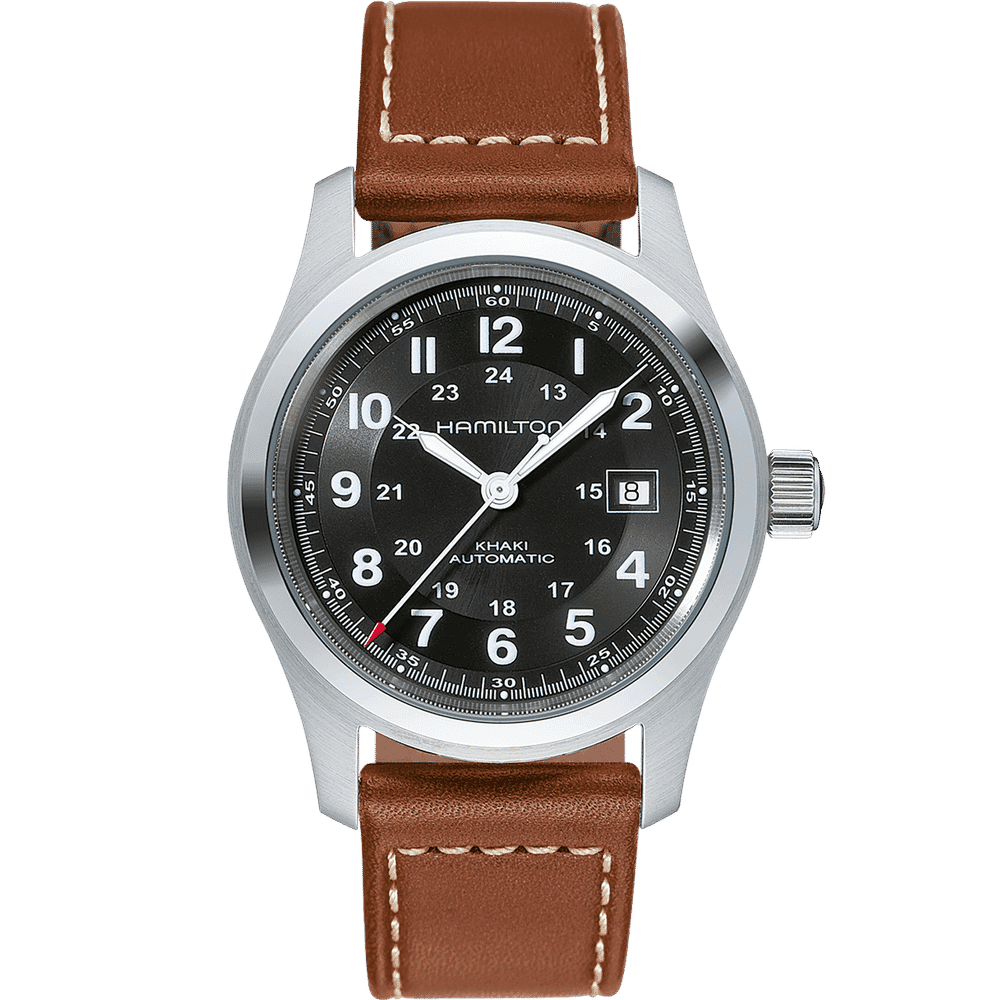
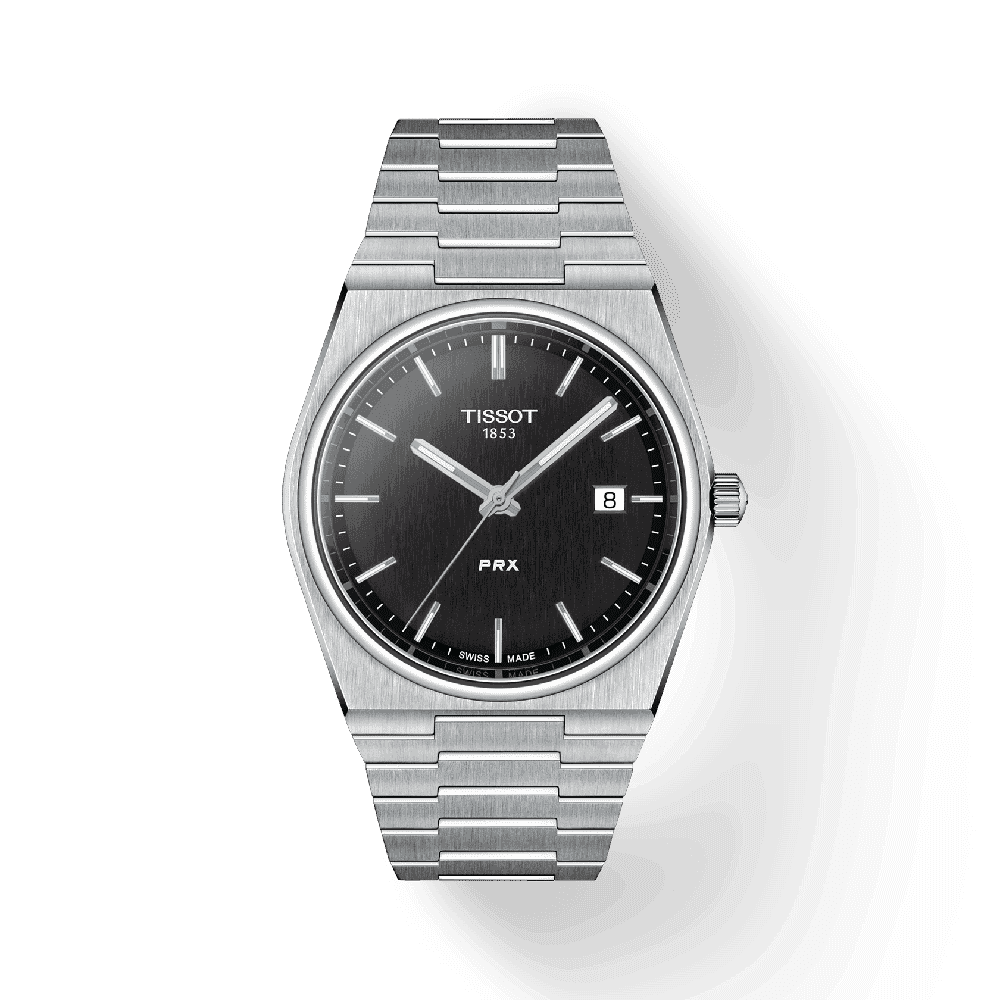
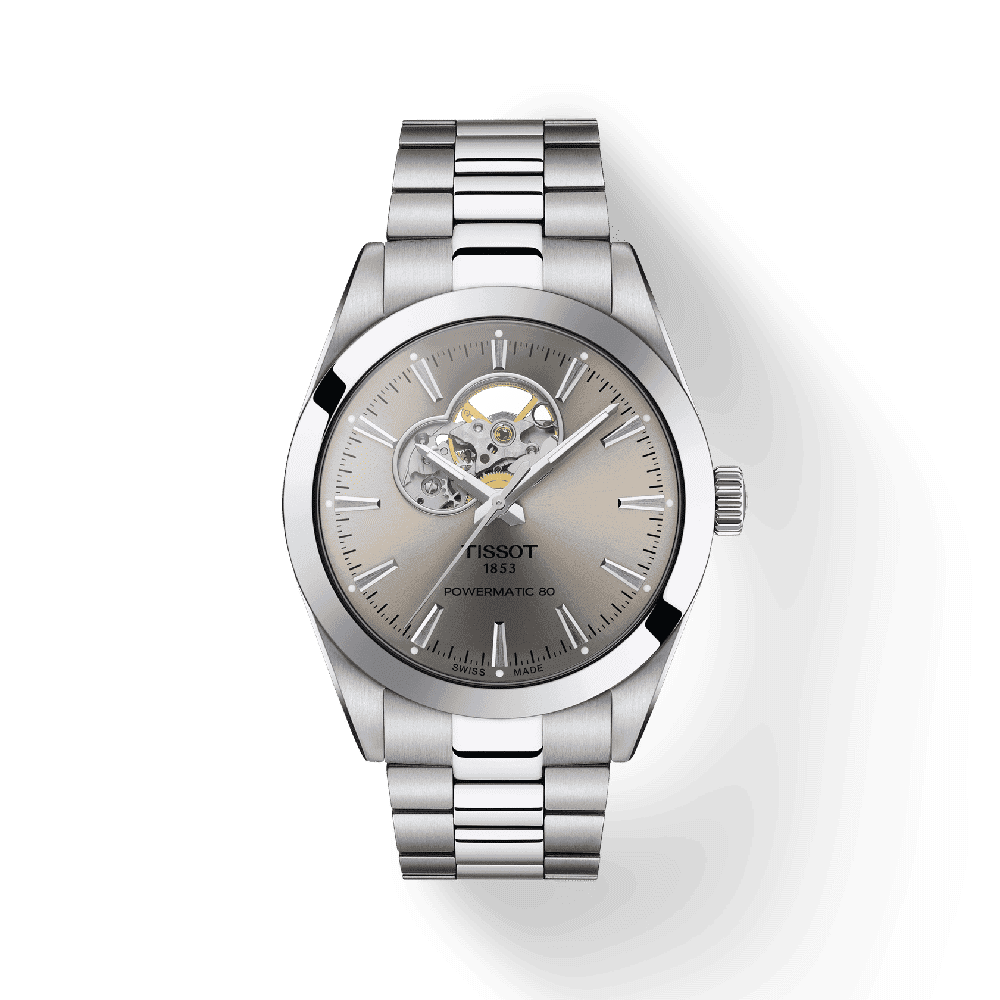
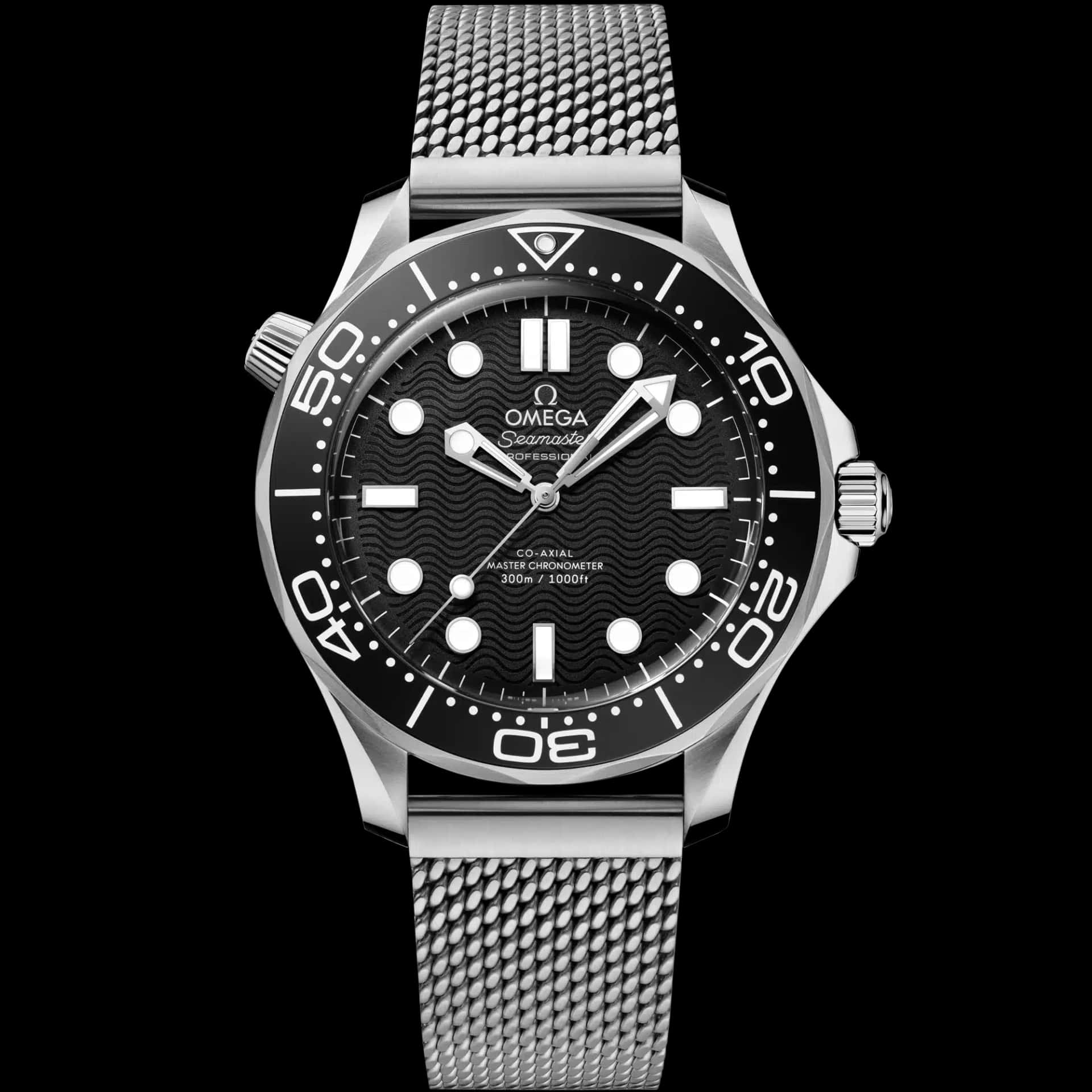
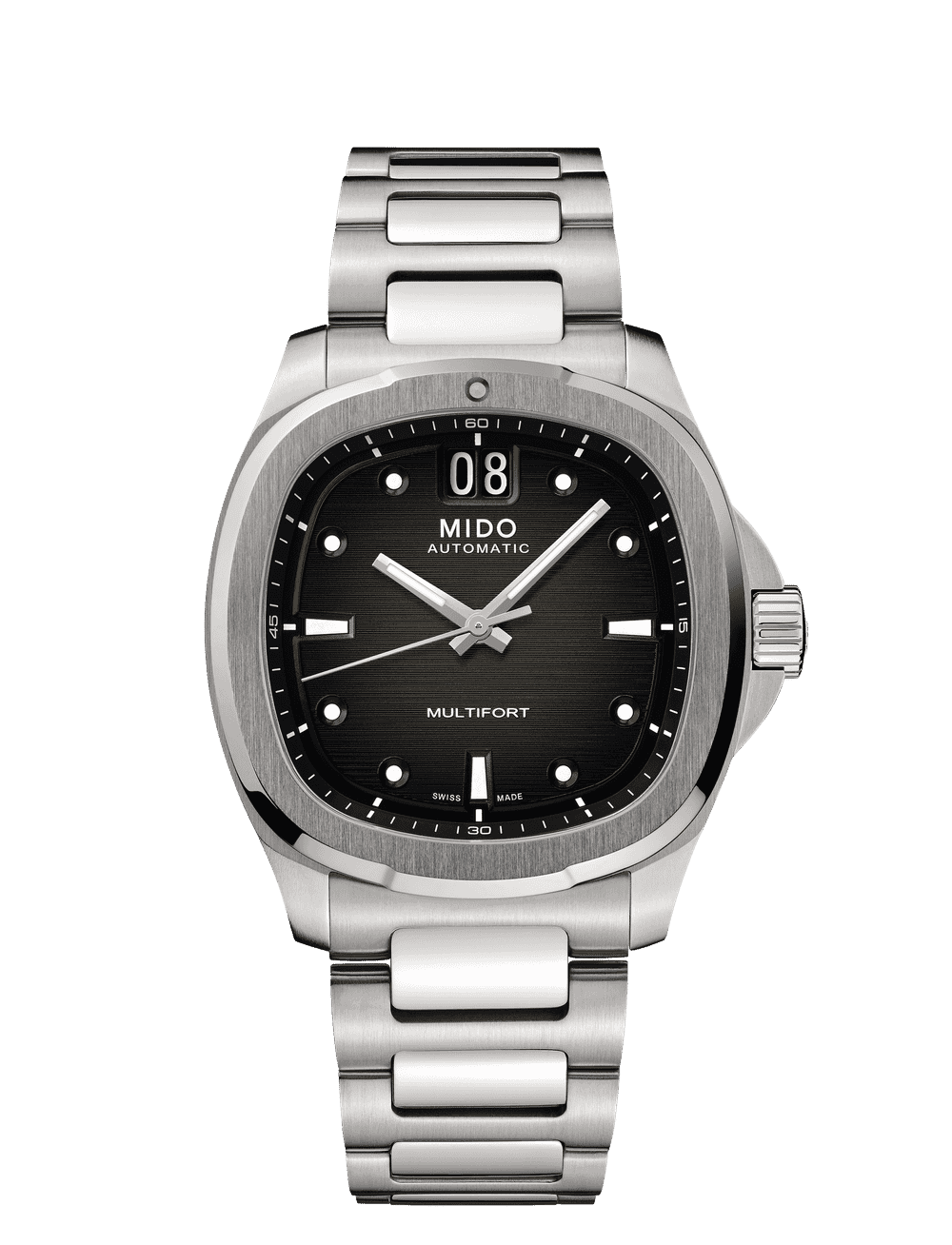
Almost a quarter of the men's range is under $2,000, about 30% sits between $2,000 and $5,000, another 30% between $5,000 and $15,000, and about a fifth is above $15,000. Tissot, Hamilton and Mido lead under $2,000 with the PRX, Khaki Field and Ocean Star. Longines, Oris and Rado cover dive, chronograph and dress watches, mostly from $2,000 to $5,000. TAG Heuer and Breitling have middle prices of about $5,400 and $8,900, Omega's is about $13,900 and IWC Schaffhausen's about $17,300, and Hublot and Zenith are mostly above $15,000.
Which style should I look at first?
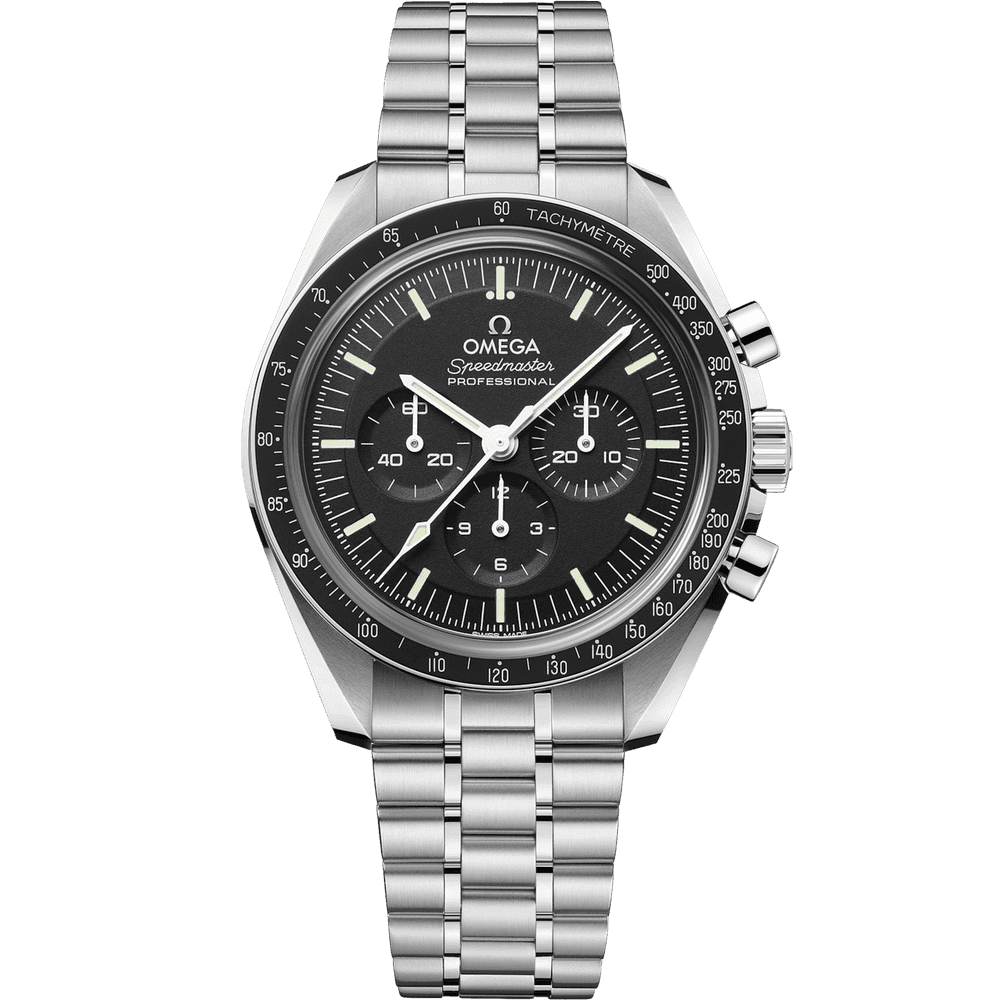
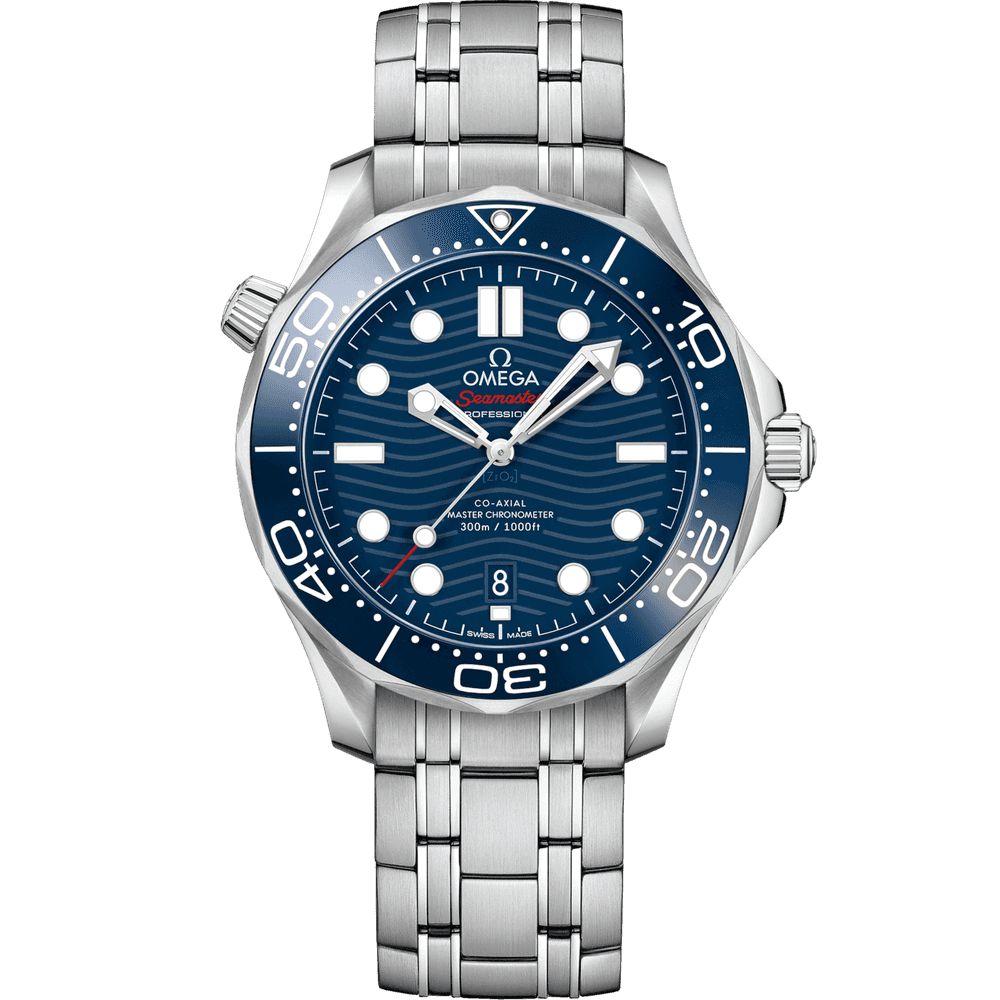
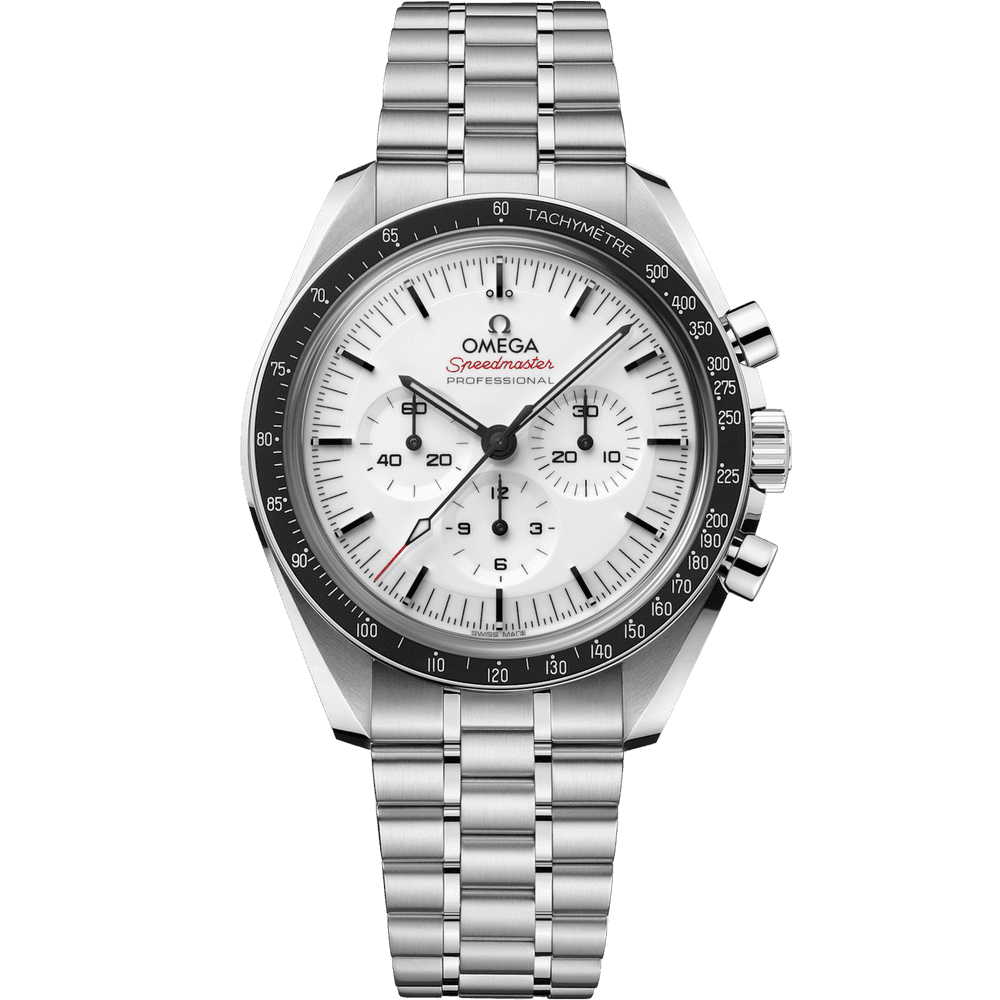
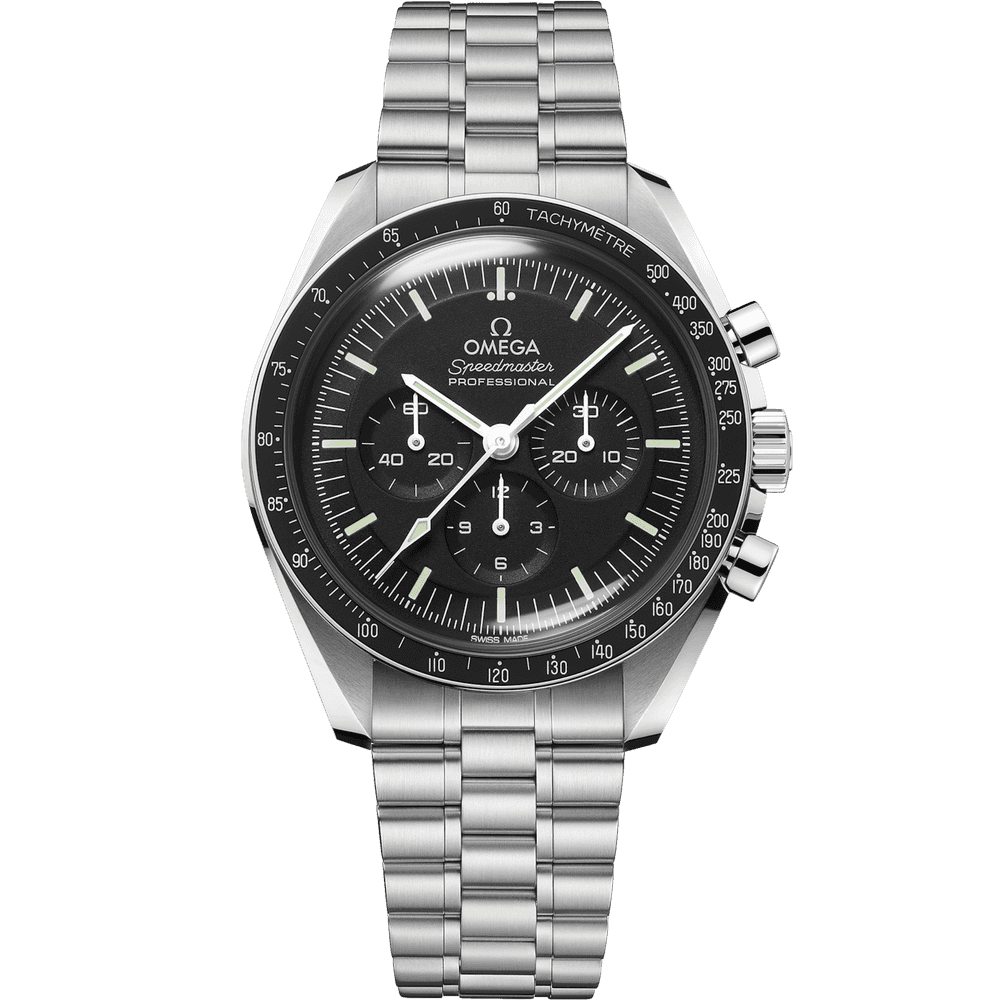
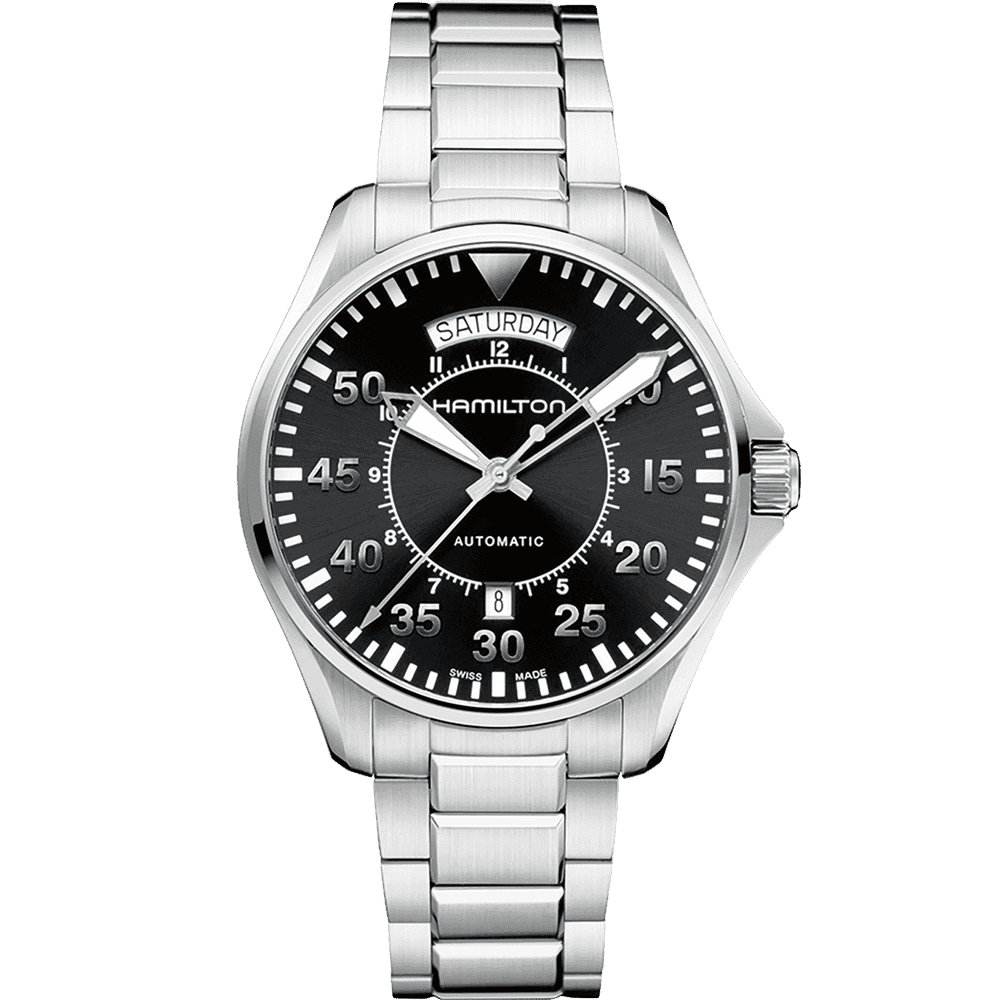
We list hundreds of men's dive watches and chronographs, and well over 100 each of dress and pilot watches. A diver suits daily wear because its steel case and bracelet handle water and knocks. A chronograph adds a timing function, and the Omega Speedmaster and the TAG Heuer Carrera are the classic references. A pilot watch has a large, legible dial, as on the IWC Schaffhausen Pilot's Watches. A dress watch is thinner and quieter.