Maintenance · Watches
How Often to Service Your Mechanical Watch: The 3-5 Year Rule is Changing
Nov 14, 2025 · 4 min read
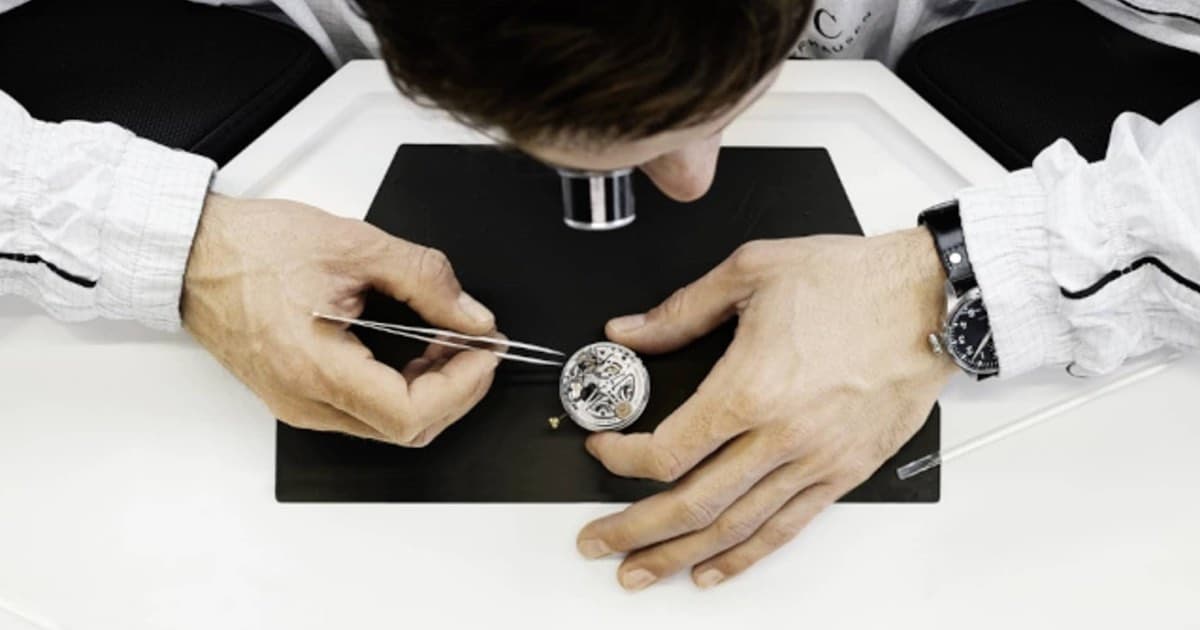
Owning a Swiss mechanical watch is an investment in artistry and precision. But like any high-performance machine, your timepiece requires routine maintenance to thrive.
The question every owner asks is simple, yet the answer is surprisingly complex: How often should I service my automatic watch?
The quick, traditional answer is every 3 to 5 years. However, this rule is rapidly changing, driven by dramatic innovations from leading brands. Read on for the definitive guide to modern watch service intervals.
The Standard Service Interval: Why 3–5 Years?

For decades, the industry standard has been to service a mechanical watch every three to five years. This guideline is based on the single most critical factor inside your watch: the lubrication.
Why Time, Not Usage, is the Enemy
A mechanical watch contains hundreds of tiny components that move and rub against each other 24 hours a day. Synthetic oil and specialized grease are applied to up to 50 tiny points to reduce friction.
-
Lubricant Degradation: Over time, these lubricants do not just wear away; they break down, dry up, or migrate away from their intended location. Without proper oil, tiny metal parts begin to grind against each other, creating metal filings that act as an abrasive paste.
-
Gasket Deterioration: The rubber gaskets that seal the case back, crystal, and crown are perishable. They harden and crack over time, compromising your watch’s crucial water resistance. A service ensures these seals are replaced before a splash becomes a disaster.
A full service, often called an “overhaul,” prevents minor wear from escalating into a catastrophic and costly movement failure.
The New Frontier: Extended Intervals by Brand

Thanks to the development of new materials (like silicon) and advanced escapements, several major brands are confidently extending their recommended service times. Always check your specific model’s manual, but here are the general guidelines for leading manufacturers:
Omega
Omega pioneered the revolutionary Co-Axial escapement, which significantly reduces friction compared to a traditional Swiss lever escapement. This technology allows Omega to recommend a full service every 5 to 8 years for their mechanical watches. However, they strongly suggest having the water resistance checked every year, especially for dive models like the Seamaster.
TAG Heuer
For the sporty and reliable mechanical chronographs and timepieces from TAG Heuer, the general recommendation is to have a full service performed every 5 to 6 years. Due to their often active use, the brand also recommends a water-resistance check every two years for models frequently exposed to water.
IWC Schaffhausen
IWC’s position is somewhat unique and highly practical. Rather than setting a rigid time frame, IWC recommends servicing your watch only when you notice a deviation from regular performance, function, or timekeeping. This user-centric approach suggests confidence in their modern movements, but watch enthusiasts often target a 5 to 7-year window to pre-emptively maintain lubricants and seals. They also recommend an annual water-resistance check.
Frederique Constant
Known for producing accessible complications and elegant mechanical movements, Frederique Constant generally adheres to the classic schedule. They advise bringing your watch to an official service center every 4 years. Given the complexity of the balance wheel and gear train, which swings over one billion times in four years, this regular attention ensures the mechanism is thoroughly cleaned and lubricated.
The Case of Quartz Watches
Quartz watches have fewer moving parts and operate at a much lower torque, meaning the mechanisms experience significantly less friction.
-
Primary Maintenance: The main service event for a quartz watch is simply battery replacement, typically needed every 18 months to 3 years.
-
Full Service & Seals: A full cleaning and check of the mechanical seals is generally only necessary every 5 to 7 years, or whenever the battery is changed. Timely battery replacement is critical, as old batteries can leak and corrode the movement.
FAQs
Q1. What is the average service interval for a mechanical watch?
The widely accepted industry average is 3 to 5 years. This allows for the timely replacement of lubricants and gaskets before they cause friction damage.
Q2. Why do Omega and Oris movements allow for longer service times?
Advanced technology, such as Omega’s Co-Axial escapement and Oris’s Calibre 400, significantly reduces friction, allowing intervals of 5-8 years or even up to 10 years.
Q3. If I rarely wear my watch, can I wait longer than 5 years?
It’s not recommended. The special lubricants in the movement still degrade and dry out over time, whether the watch is running or not.
Q4. What is the most critical sign my watch needs immediate service?
Any sign of moisture or fogging under the crystal. This is an emergency that requires immediate attention to prevent rust and catastrophic internal damage.